

A property in Dubai can look immaculate and still be losing value every month. Fresh paint, new tiling and a professional handover clean hide a great deal, and the defects that actually determine what a building is worth in ten years are almost never the ones visible during a forty-minute viewing. Experienced waterproofing companies in Dubai see the same pattern repeatedly: a buyer completes on a unit that showed no obvious problems, and the first summer reveals what the previous owner already knew.
This guide covers the hidden property issues that most commonly erode value in the UAE market, why they stay concealed for so long here specifically, what they cost to correct at each stage, and how to identify them before you buy or before they compound in a property you already own.
It is written for buyers, investors, landlords and owners association committees who need to understand what sits behind the finish.
Why Defects Stay Hidden Longer in the UAE
Concealment is not usually deliberate. The climate and the market structure combine to keep problems invisible far longer than they would be elsewhere.
It rarely rains. In most climates, a waterproofing defect announces itself within months, because rain arrives regularly and finds every weakness. Annual UAE rainfall of roughly 140 to 200 mm means a roof or balcony defect can exist for years without producing a single visible stain. When an extreme event does arrive, as on 16 April 2024 when parts of the country received more than a year’s rain in under 24 hours, every latent defect fails simultaneously.
Corrosion works out of sight. Chloride-induced reinforcement corrosion runs invisibly inside concrete for years before it cracks the surface. By the time rust staining appears, the process has been active for a long time.
Air conditioning masks moisture. Continuous cooling and dehumidification suppress the smell, condensation and visible mould that would otherwise reveal a damp problem. Switch the AC off for a week in August and the same unit tells a completely different story.
Handover finishes cover everything. Repainting and retiling before sale is standard practice and entirely legitimate. It also conceals crack patterns, previous patch repairs and staining that would otherwise be diagnostic.
Turnover is fast. Properties change hands frequently enough that slow-developing defects can pass through several owners without anyone tracing them to a root cause.
Structural Defects: The Most Expensive Category
Structural problems represent the largest single threat to property value, because remediation costs scale dramatically with delay and because they affect mortgageability and insurability, not just amenity.
Concrete Spalling and Reinforcement Corrosion
The most common serious defect in UAE buildings over fifteen years old. Chloride penetrates the concrete cover, corrodes the reinforcement, and the expanding corrosion product cracks and detaches the cover concrete. Balcony soffits, parapets and exposed slab edges show it first.
The visible symptoms are rust-coloured staining, cracks running in a straight line above a reinforcement bar, and areas that sound hollow when tapped. That last one matters most, because delamination frequently sits behind a perfectly sound-looking painted surface. Proper concrete spalling repair involves breaking out behind the bar, cleaning the steel, applying a zinc rich rebar primer and reinstating with a polymer modified repair mortar. Patching over corroding steel makes the problem worse.
Our full guide to salt air corrosion on UAE coastal properties covers the mechanism in depth, and it applies to a surprisingly large share of the developed coastal strip.
Cracking That Is Not Cosmetic
Not all cracks matter. Distinguishing shrinkage cracking from structural cracking is a specialist judgement, but some patterns warrant immediate attention: diagonal cracks at corners of openings, cracks wider than about 2 mm, cracks that pass through more than one element, and any crack that has visibly changed since it was first noticed.
Structural cracks are resin injected rather than filled. Concrete crack repair using an epoxy injection resin restores monolithic behaviour across the crack, while water-bearing cracks are sealed through concrete crack injection.
Our reference on visual signs of structural problems explains how to read the common patterns.
Settlement and Foundation Movement
Signs include doors and windows that stick or have been repeatedly adjusted, sloping floors, stepped cracking in blockwork, and gaps opening between walls and ceilings. On UAE sites, sabkha ground and high water tables make differential settlement a genuine risk rather than a theoretical one.
Remediation ranges from monitoring to underpinning, which is disruptive and expensive. This is the single most important thing to rule out before purchase.
Overloading and Unauthorised Alterations
Removed or penetrated structural walls, added mezzanines, heavy plant installed on slabs never designed for it, and unapproved fit-out modifications all appear regularly. Where capacity has been compromised, structural strengthening is required. CFRP wrapping adds capacity without significant added weight, and column strengthening using bonded plate suits certain geometries. Where lateral capacity is the issue, seismic retrofitting techniques apply.
Water Ingress: Quiet, Widespread and Underestimated
Water damage is the most common hidden defect category in UAE property, and the one most likely to be dismissed during viewing because there is so often nothing to see.
Roof and Terrace Waterproofing Failure
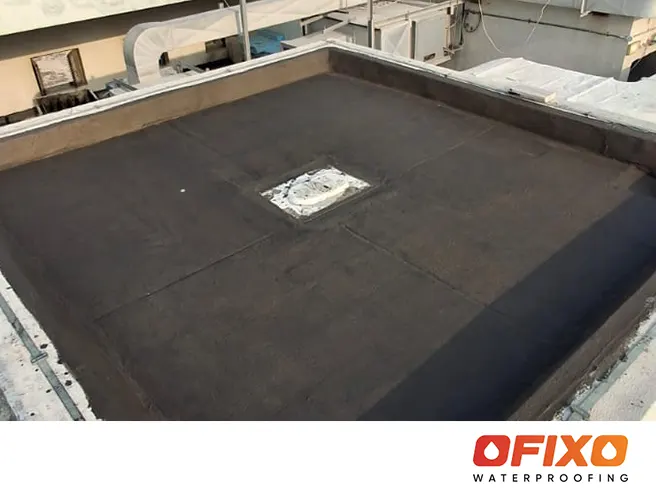
A failed roof membrane produces no symptom until it rains hard or a tank overflows. Warning signs are ponding that persists more than 48 hours after any water event, membrane that has lost its surfacing, blistering, open laps, and previous patch repairs that indicate a recurring problem rather than a one-off.
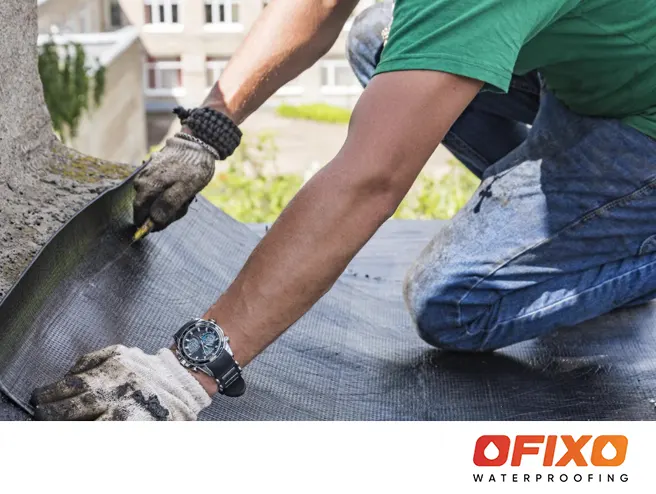
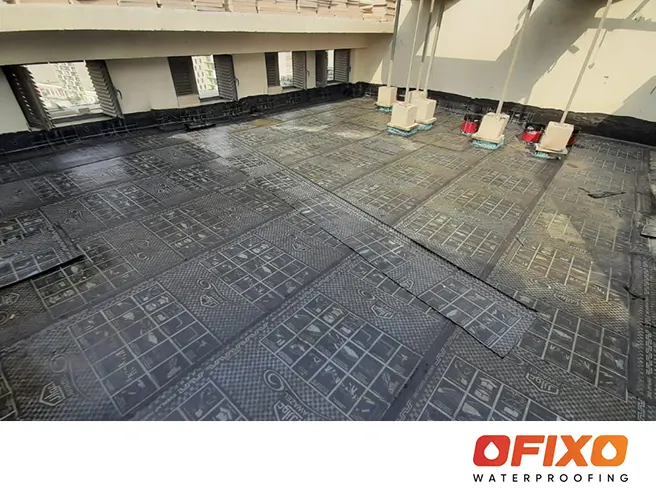
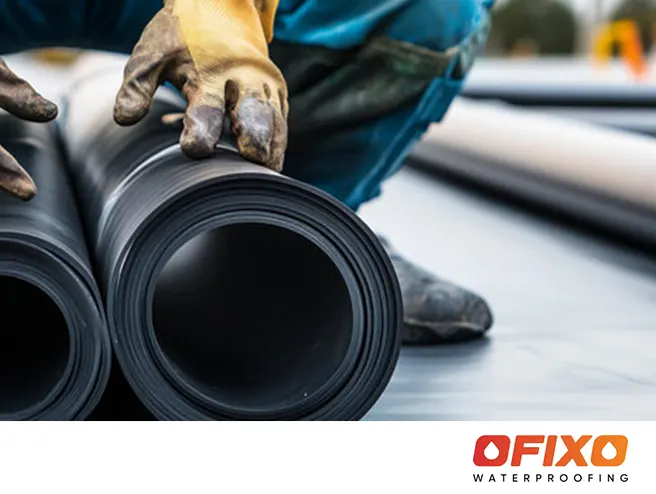
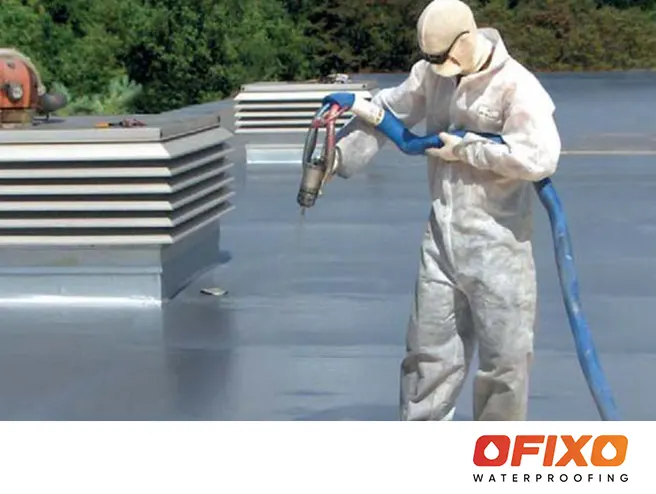
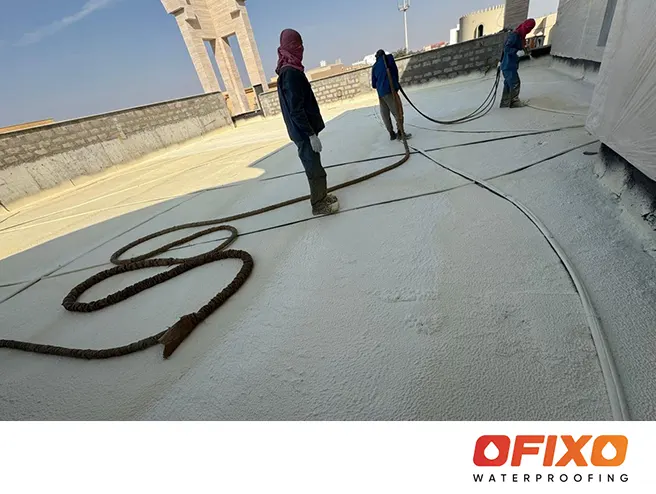
Remediation depends on condition. Overlay with membrane waterproofing works where the deck is sound, liquid applied waterproofing suits complex detailing, and polyurea waterproofing handles high-traffic decks. Full roof waterproofing replacement on a villa or podium is a substantial cost, and it is one buyers routinely fail to price in.
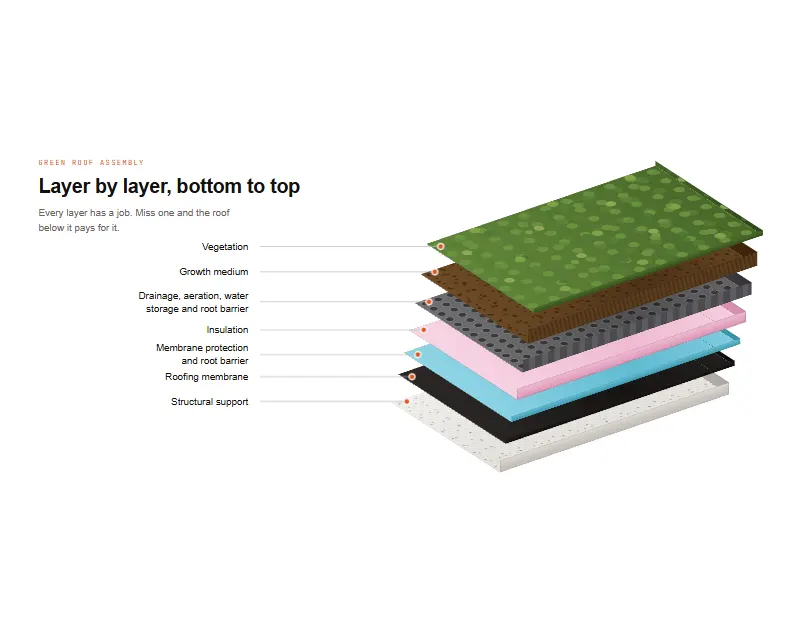
Landscaped and podium areas carry additional risk, because the waterproofing sits under soil and paving where nothing is inspectable. Properly specified green roof build-ups include root barriers and drainage layers precisely to prevent this, and modern blue green roof systems add stormwater attenuation. Retrofitting either after failure means removing everything above.
Basement and Below-Ground Water
Damp patches at the base of walls, efflorescence, persistent musty smell in parking levels, rust on exposed steel and evidence of pumps running continuously all point to below-ground water ingress. In coastal and sabkha areas this is saline groundwater, which attacks the structure as well as creating nuisance.
Effective basement waterproofing and foundation waterproofing depend heavily on joint detailing, using a PVC waterstop or a hydrophilic waterstop. Where water is already entering, polyurethane injection and water leakage injection seal active pathways without excavation.
Bathroom and Wet Area Leaks
The most common source of inter-unit disputes in Dubai apartment buildings. A failed bathroom tanking layer leaks into the unit below, and by the time the neighbour complains, the substrate has usually been wet for months. Repairs mean removing tiling and sanitaryware, so the cost is disproportionate to the size of the defect.
Look for tile discolouration near junctions, loose or drummy tiles, degraded silicone at the floor-wall junction, and any evidence of previous repair to the ceiling of the unit below. Correct bathroom waterproofing is the only durable fix.
Balconies and Terraces
Balconies combine full weather exposure, thin sections and a drainage detail that is often marginal. Falls that direct water back toward the building, blocked outlets and failed perimeter sealant all deliver water straight into the slab edge, which is exactly where reinforcement corrosion starts.
Hidden Moisture and Air Quality
Moisture inside a construction produces no visible symptom until it is well advanced, and in an air-conditioned building it may never become obvious to an occupant at all.
Interstitial condensation forms within wall build-ups and above ceilings where warm humid air meets cooled surfaces. It degrades insulation performance, corrodes concealed fixings, supports mould growth behind finishes and delaminates adhesives.
Diagnostic methods matter here because visual inspection is close to useless. Our guide to hidden moisture detection in UAE buildings sets out the techniques, and our analysis of humidity impact on UAE properties explains the underlying physics.
Envelope and Façade Problems
Façade defects affect value twice: through the repair cost, and through the impression a degraded elevation makes on every future buyer and tenant.
Failed sealant joints. Perimeter and movement joints degrade under combined heat, UV and abrasion. Once split, they deliver water directly into the structure. Renewal with an MS polymer hybrid sealant or a high-movement polyurethane sealant is routine maintenance that is frequently deferred for a decade.
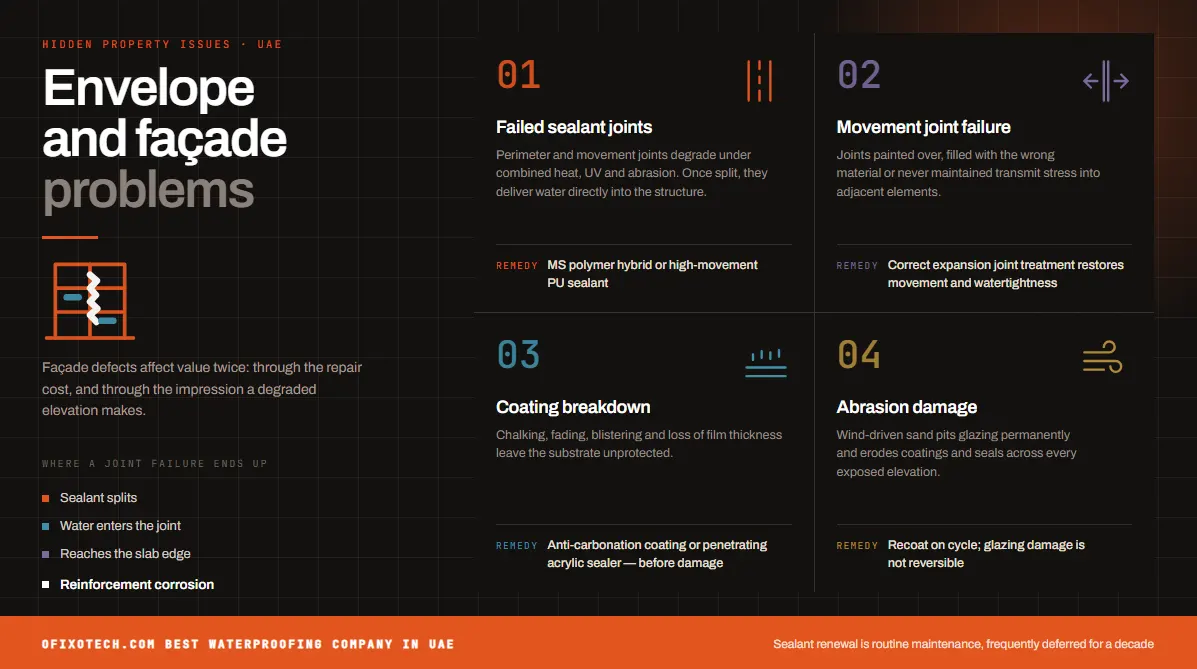
Movement joint failure. Building movement joints that have been painted over, filled with the wrong material or simply never maintained transmit stress into adjacent elements. Correct concrete expansion joint treatment restores both movement capacity and watertightness.
Coating breakdown. Chalking, fading, blistering and loss of film thickness leave the substrate unprotected. An anti-carbonation coating or a penetrating acrylic concrete sealer restores protection, but only if applied before the substrate has been damaged.
Abrasion damage. Wind-driven sand pits glazing permanently and erodes coatings and seals across every exposed elevation. Our guide to sandstorm damage to UAE building facades covers what this does over time, and the wider climate picture is set out in why UAE buildings need special weather protection.
Services, Drainage and Plant
Mechanical and drainage defects rarely stop a sale, but they generate ongoing cost and can indicate how the building has been managed overall.
Blocked or silted drainage. Dust accumulation blocks roof outlets and gutters, and a partially blocked outlet turns any rain event into ponding. Scheduled roof gutter clearance is cheap; the membrane failure it prevents is not.
Standing water in lift pits. A common and often long-ignored symptom. It corrodes shaft components, damages equipment and indicates a below-ground waterproofing defect. Proper lift pit treatment addresses the cause rather than pumping the symptom.
Water tank condition. Degraded internal linings affect water quality and, eventually, the tank structure. Both water tank waterproofing and GRP lining for water tank applications should be inspected on a defined cycle, and rarely are.
Pool and water feature leaks. A leaking pool loses water continuously and delivers chloride into the surrounding structure. Sound swimming pool waterproofing is what prevents that, and pool plant rooms deserve inspection at the same time.
Car park deck deterioration. Chloride-bearing water dripping from vehicles attacks the slab, typically showing first as delamination near drainage points. A proper car park flooring system protects the structural deck.
What the Finishes Might Be Hiding
Recent cosmetic work is not evidence of a problem. It is a reason to look more carefully.
Specific things worth questioning: paint applied to only one wall or one ceiling area, new tiling in a single room, a suspended ceiling section that does not match the rest, air fresheners or dehumidifiers running during a viewing, furniture positioned against a specific wall, and any area the seller or agent moves past quickly.
In commercial and industrial space, floor coatings deserve the same scrutiny. Fresh epoxy flooring can cover substrate cracking and previous water damage. Ask what was underneath, and in warehouse or production space check whether the specification actually matches the use, since industrial epoxy flooring and warehouse epoxy flooring systems are not interchangeable with a thin decorative coating.
Documentation Gaps That Cost Money
Some of the most expensive hidden issues are administrative rather than physical.
- No maintenance history. An absence of records usually means an absence of maintenance. Ask for the last three years of service reports.
- No warranty documentation. Waterproofing and structural work carries warranties that only transfer if the paperwork exists.
- Unapproved alterations. Fit-out work carried out without authority approval can require reversal at the current owner’s cost.
- Pending special assessments. Major façade or waterproofing work approved by an owners association but not yet levied becomes the new owner’s liability.
- Deferred building-wide repairs. A unit can be in excellent condition inside a building facing a multi-million dirham remediation programme.
For apartment buyers, understanding where responsibility sits between owner, tenant and building is essential reading, and our guide to apartment maintenance responsibility sets out the boundaries.
How Much These Issues Actually Cost
Remediation costs escalate by roughly an order of magnitude at each stage of progression, which is why early detection matters more than any other single factor.
Applying protective coating to sound concrete is a maintenance line item. Repairing localised spalling is a defined project. Restoring a structure where corrosion has spread across multiple elements is a capital event requiring scaffolding, access restriction and months of programme. The same sequence applies to waterproofing: a sealant renewal, then a partial overlay, then a full membrane replacement with all landscaping and paving removed.
Beyond direct cost, condition affects value through market perception. A degraded façade, a damp smell in a parking level or a history of leak disputes signals deferred maintenance to every prospective buyer, regardless of the actual structural position. Our analysis of how building condition affects property value in Dubai examines that relationship in detail.
What a Proper Pre-Purchase Inspection Covers
Standard snagging inspections check finishes, fittings and function. They are not designed to identify structural defects in real estate transactions, and buyers regularly mistake one for the other.
A meaningful technical inspection covers structural condition including hammer tapping of accessible concrete for delamination, roof and terrace waterproofing condition, below-ground water evidence, moisture surveys of walls and ceilings using instruments rather than eyes, façade sealant and coating condition, drainage function, and where warranted, chloride profiling and half-cell potential mapping to establish how far corrosion has progressed.
Our checklist on what to look for in a pre-purchase building inspection covers the full scope, and our guidance on when expert inspection is needed defines the threshold at which specialist involvement is justified.
A Buyer’s Red Flag Checklist
Use these during viewing. None is conclusive on its own, but several together justify a technical inspection before proceeding.
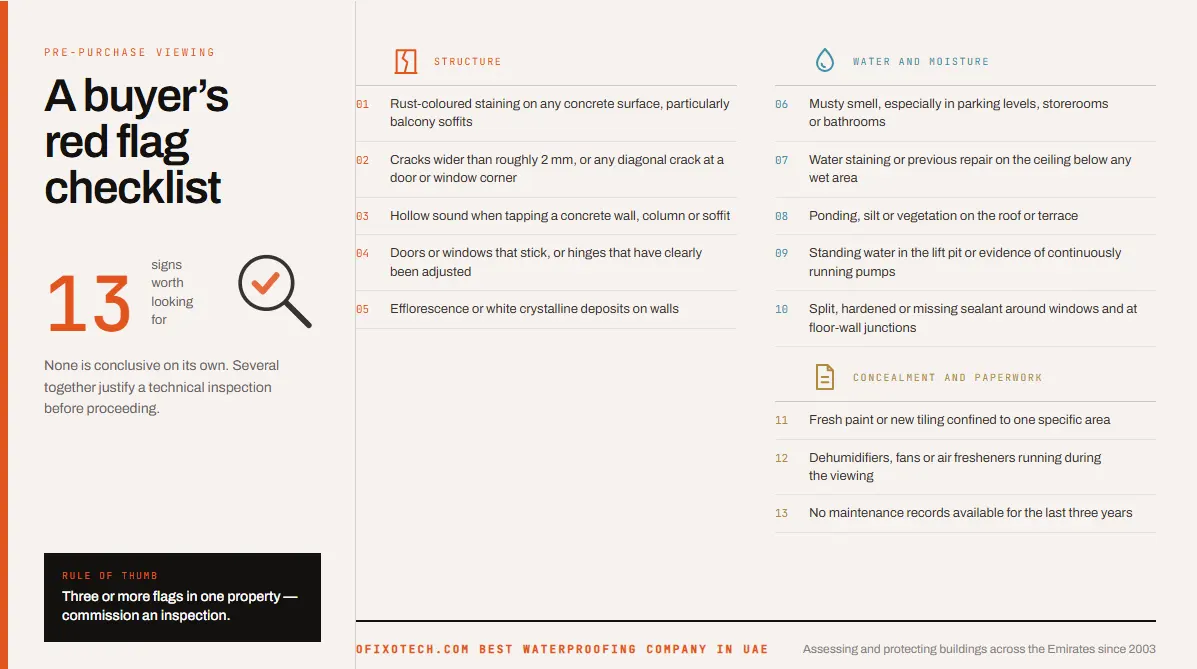
- Rust-coloured staining on any concrete surface, particularly balcony soffits
- Cracks wider than roughly 2 mm, or any diagonal crack at a door or window corner
- Hollow sound when tapping a concrete wall, column or soffit
- Doors or windows that stick, or hinges that have clearly been adjusted
- Fresh paint or new tiling confined to one specific area
- Musty smell, especially in parking levels, storerooms or bathrooms
- Dehumidifiers, fans or air fresheners running during the viewing
- Water staining or previous repair on the ceiling below any wet area
- Ponding, silt or vegetation on the roof or terrace
- Split, hardened or missing sealant around windows and at floor-wall junctions
- Standing water in the lift pit or evidence of continuously running pumps
- Efflorescence or white crystalline deposits on walls
- No maintenance records available for the last three years
If You Already Own the Property
Discovering a hidden defect after purchase is common and usually manageable, provided the response is sequenced correctly.
Establish the extent before spending anything. A survey covering roof, façade, below-ground elements and drainage tells you what you are actually dealing with. Repair scope should follow data rather than visible symptoms.
Stop water first. Every other degradation mechanism depends on moisture, so waterproofing delivers more protection per dirham than anything else available.
Repair structure properly. Concrete restoration re-establishes sound cover, and concrete resurfacing restores a uniform finish across repaired and unrepaired areas. Protection should then be applied to the whole element rather than only the patched area, since a localised repair in chloride-contaminated concrete can drive fresh corrosion in the surrounding material.
Protect against recurrence. A corrosion protection coating programme, supported by a migrating corrosion inhibitor, addresses the cause rather than the symptom.
Then maintain deliberately. An annual maintenance contract catches defects while they remain cosmetic. Planned building maintenance for commercial assets, villa maintenance for residential property and apartment maintenance for individual units apply the same principle at different scales.
To budget for it, see our framework for annual building maintenance budget planning and our guidance on building an emergency repair reserve. New owners will find the fundamentals in building care basics for new homeowners, and our list of small repairs you can handle yourself covers what does not need a contractor.
Frequently Asked Questions
What is the most commonly missed defect when buying property in Dubai?
Waterproofing failure, because the low rainfall means it produces no symptom for years. A roof, balcony or podium membrane can be at the end of its service life with nothing visible during a viewing, and the cost only becomes apparent during the first heavy rain event or when a leak reaches the unit below.
Can hidden defects be identified before purchase?
Most can. A technical inspection using moisture meters, hammer tapping and, where justified, chloride testing identifies the great majority of significant defects. Standard snagging inspections do not cover this, so the technical survey needs to be commissioned separately.
Are newer buildings safer from these problems?
Generally, but not reliably. Newer buildings benefit from improved regulation and materials, yet detailing errors, inadequate concrete cover and unmaintained drainage produce failures in buildings under ten years old. Handover snagging catches finishes, not durability, so the underlying build quality often stays untested until the warranty period has expired.
How much can hidden defects reduce a property’s value?
It depends entirely on category. Cosmetic issues have limited effect. Waterproofing failure, active structural corrosion, or a pending building-wide remediation levy can affect value substantially, and in some cases they affect saleability and financing rather than just price.
Who is responsible for defects discovered after purchase?
This depends on the sale contract, developer warranty position and whether the defect sits within the unit or in common property. Common-area defects are typically handled by the owners association through the service charge, and that liability transfers with ownership. This is a legal question rather than a technical one, and it warrants specific advice before completion.
How often should an owner inspect for hidden issues?
A full technical survey every two to three years, with annual checks of high-risk elements such as roof drainage, sealant joints and wet area junctions. Coastal properties warrant shorter intervals because chloride exposure is continuous.
Look Past the Finish
The defects that determine a property’s value over a ten-year horizon are almost never the ones visible during a viewing. Water ingress, reinforcement corrosion, concealed moisture and deferred building-wide maintenance all develop quietly and all become dramatically more expensive the longer they run.
The protective step is unglamorous: a proper technical inspection before purchase, and a maintenance regime afterwards that catches defects while they are still cosmetic. Both cost a fraction of what they prevent.
If you are evaluating a purchase or want to understand the true condition of a property you already own, the right starting point is a condition survey covering structure, envelope, roof, drainage and below-ground elements. Ofixo Technical Services has been assessing and protecting buildings across the Emirates since 2003. Contact our team to arrange an inspection.