
Villa & Apartment Waterproofing · Dubai & UAE
Bathroom & Wet Area Waterproofing – Behind Every Tile, A Watertight Membrane.
Specialist pre-tile waterproofing for bathrooms, showers, kitchens, balconies, laundry rooms, and pool decks in Dubai villas and apartments. The invisible membrane that prevents tile lift, leaks to the room below, mould, and the expensive damage that comes when wet-area waterproofing is done badly the first time.
- Pre-tile application
- Code-compliant
- Tile-ready in 48 hours
About the Service
What is Bathroom Waterproofing?
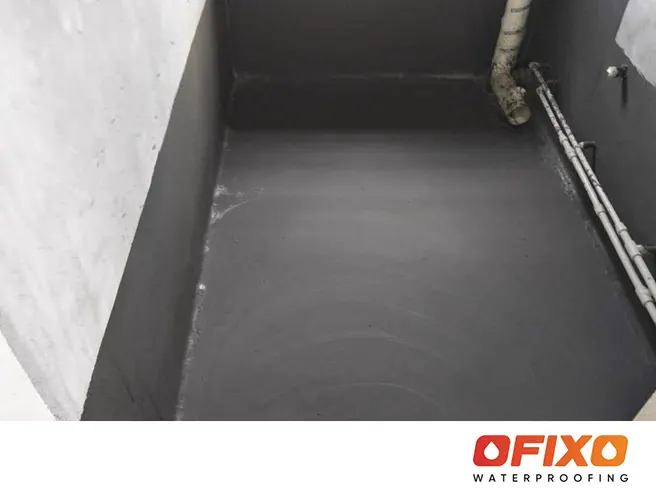
Bathroom waterproofing is the specialist practice of applying a continuous waterproof membrane to floors, walls, and critical detail areas of bathrooms, kitchens, balconies, laundry rooms, and pool decks BEFORE the tiles go on top. It’s the invisible layer that protects your concrete substrate, the rooms below, and the structural integrity of the slab.
Done correctly, it’s a one-time installation that lasts 15+ years behind your tiles. Done badly, it causes tile lift, mould growth, leaks to the apartment below, and renovation work that costs 10× the original waterproofing job to fix. Most Dubai villa and apartment leaks come from bathrooms – not roofs.
Why It Matters
Four Reasons Bathroom Waterproofing Can’t Be Skipped.
Most water damage in Dubai homes traces back to inadequate bathroom waterproofing – done badly before tiling or skipped entirely. Here’s what’s at stake.
Stops Leaks to the Room Below
Bathroom water that gets past the tiles can travel through the slab and emerge as stains, drips, or structural damage in the apartment or villa room below.
Protects the Concrete Substrate
Constant water exposure degrades concrete and corrodes embedded rebar – a hidden problem that surfaces years later as cracking and spalling.
Prevents Mould & Mildew
Moisture trapped behind tiles creates the perfect environment for mould – affecting indoor air quality and triggering allergies, particularly for children and elderly residents.
Dubai Code Compliance
Dubai Municipality requires wet-area waterproofing in all residential and commercial bathrooms. Non-compliant work fails inspection and risks handover delays.
Where Bathrooms Leak
Six Critical Detail Areas Where Bathrooms Fail.
Bathroom waterproofing rarely fails on the open floor or wall – it fails at the detail points. These six locations account for nearly every wet-area leak we’re called to fix.
Floor Drains
The point where the membrane terminates at the floor drain is the single most common leak point. Requires a proper bonded drain flange and reinforced collar around the perimeter.
Wall to Floor Junctions
Where the floor meets the wall, the substrate moves with thermal cycling – pulling the waterproofing apart. Reinforced corner tape embedded between coats is non-negotiable.
Shower Hobs & Curbs
The raised threshold around shower enclosures creates multiple corners and edges. Continuous membrane wrap-around with reinforced detailing is essential.
Pipe Penetrations
Every shower head, tap, and waste pipe punches a hole through the membrane. Each requires individual sealing with proprietary collars or fillets – never just sealant alone.
Shower Niches & Recesses
Built-in niches for shampoo bottles introduce internal corners and edges into the waterproofed area. Full membrane application inside the niche, not just around the opening.
Door Thresholds
The transition from bathroom floor to corridor flooring is where water escapes the wet area. The membrane must continue under the threshold and turn up against the door frame.
What’s Under Your Tiles
Anatomy of a Properly Waterproofed Bathroom.
Every well-built bathroom is a layered system – each layer doing a specific job. Skip a layer or cut a corner and the entire system fails.
-
01
Waterproof Membrane Is Layer 4
Two coats of cementitious slurry or liquid PU membrane applied perpendicular to each other – the heart of the system. Fail this layer and nothing else matters.
-
02
Reinforcement at Every Junction
Fibre mesh tape embedded between the two membrane coats at corners, junctions, and around penetrations – bridges hairline movement cracks for the life of the bathroom.
-
03
Tile Adhesive Bonds Directly
Modern membranes accept tile adhesive directly – no additional priming layer needed. The membrane and the adhesive bond chemically for a continuous build-up.
-
04
Grout Is Not Waterproofing
Common misconception: grout is a finish, not a waterproof layer. Water passes through grout into the substrate. The waterproofing must sit below.
Where It’s Used
Every Wet Area in Your Home.
From a single shower refurbishment to a full villa renovation – we waterproof every space where water gets used regularly.
Bathrooms & En Suites
Full bathroom waterproofing – floors, shower walls, splash zones around the basin. The primary use case across every Dubai villa and apartment.
Shower Enclosures
Walk-in showers, wet rooms, and traditional shower trays – full enclosure waterproofing including the hob, niche shelving, and floor drain.
Kitchens
Kitchen floors, splashbacks behind sinks, and dishwasher zones – wherever standing water or spills can reach the substrate over years of use.
Laundry Rooms
Washing machine zones, utility sinks, and ironing areas – frequently overlooked but a major source of slow leaks into adjacent rooms.
Balconies & Terraces
Open balconies and trafficked terraces – waterproofing under tiles to protect the slab and the rooms below from rainwater and pool splash.
Pool Decks & Wet Decks
Trafficked pool decks, wet bar areas, and water-feature surrounds – high-performance systems that withstand chlorine and constant water exposure.
Step by Step
From Bare Slab to Tile-Ready in Two Days.
Whether we’re working on a single bathroom refurbishment or an entire villa, the process is the same – disciplined, sequential, and tested at every stage.
-
01
Substrate Inspection & Prep
Inspect the screed for cracks, levelness, and slope to the drain. Clean off dust, oil, and curing residues. Repair cracks or low spots with polymer-modified mortar before any waterproofing.
-
02
Priming
Apply system-specific primer to the screed and walls – typically a thinned acrylic primer that penetrates the substrate and improves bond strength. Allow 1–2 hours tack-off.
-
03
First Membrane Coat
Apply the first cementitious slurry or liquid PU coat by brush or roller, working from corners outward. Allow 4–6 hours cure between coats – never rush this step.
-
04
Reinforcement at Details
Embed fibre mesh tape into the wet first coat at all wall-floor junctions, corners, drain perimeters, and around pipe penetrations. This is where the bathroom either holds or fails.
-
05
Second Membrane Coat
Apply the second coat perpendicular to the first, fully covering the embedded reinforcement. Verify total dry film thickness with a wet gauge – minimum 1.5mm across the wet area.
-
06
Flood Test & Handover
After 48-hour cure, fill the bathroom floor with 25mm of water for 24 hours. Inspect for any seepage to the room below. Sign-off and handover to the tiling contractor.
Why Ofixotech
Six Reasons Dubai Villa Owners Choose Us.
Bathroom waterproofing is the smallest line item on any renovation – and the one that ruins the entire project if it fails. Here’s how we make sure yours doesn’t.
Specialist Wet Area Crews
Dedicated teams who do bathroom waterproofing every day – not generalists fitting it between other jobs. Detail work is muscle memory, not learned on your bathroom.
Flood Test Before Handover
Every bathroom we waterproof gets a 24-hour flood test before tiling – confirming zero seepage to the room below. We provide written sign-off.
Coordinates With Your Tiler
We schedule directly with your tiling contractor so the membrane is handed over ready to receive adhesive – no delays, no incompatibility issues.
Code Compliant
Specifications that satisfy Dubai Municipality wet-area waterproofing requirements – including DEWA-acceptable products and compliant detailing.
15+ Year Behind-Tile Life
Quality cementitious and PU systems that outlast the tile finish above them – your next renovation will keep this waterproofing in place.
Workmanship Warranty
Every project includes both manufacturer product warranties and our written workmanship guarantee – documented at handover.
Renovating Your Villa? Don't Skip the Waterproofing.
Book a free site survey – we'll inspect the bathroom, coordinate with your tiler, and quote within 24 hours.
or WhatsApp +971 55 770 5568
Answered
Bathroom Waterproofing FAQs.
The questions Dubai villa owners and apartment renovators ask most about wet-area waterproofing.
Do bathrooms really need waterproofing in Dubai?
Yes – Dubai Municipality requires waterproofing for all wet areas in residential and commercial buildings. Beyond compliance, bathroom waterproofing is the single most important defence against water damage to your slab, the room below, and surrounding walls. Most Dubai villa and apartment leak claims trace back to bathrooms with inadequate or skipped waterproofing.
Isn’t tile and grout already waterproof?
No – this is the most common misconception in residential renovation. Tiles are water-resistant on the face but grout is porous, and water passes through grout into the substrate over months and years. The waterproofing must sit BELOW the tile adhesive, protecting the concrete substrate. Grout is a finish, not a waterproof layer.
What system do you use for bathroom waterproofing?
For most bathrooms we use either a polymer-modified cementitious slurry (two-component) or a liquid polyurethane membrane – both applied in two coats with fibre mesh reinforcement at junctions. The choice depends on the substrate, exposure, and budget. Both systems accept tile adhesive directly and provide 15+ years of behind-tile service life.
How long does the waterproofing take?
A typical single bathroom takes 1–2 working days for the waterproofing work – including substrate prep, two coats of membrane with cure time between, and the flood test. We coordinate with your tiler so the bathroom is handed over tile-ready exactly when needed.
Can you waterproof an existing bathroom without breaking it?
Not effectively. Bathroom waterproofing must sit below the tile adhesive – meaning the existing tiles, adhesive, and any old screed in problem areas must be removed to access the substrate. If your bathroom is leaking, the only permanent fix is to strip back to the slab and re-do the system properly.
What about leaks from existing bathrooms – can you do those?
Yes – we offer two approaches. For active leaks in older bathrooms, we can do injection grouting from the room below to seal cracks where water is currently passing through. For permanent fix, the bathroom needs to be stripped, the substrate re-waterproofed, and re-tiled. We assess and recommend during a free site survey.
How much does bathroom waterproofing cost in Dubai?
Cost depends on bathroom size, system selected, condition of the substrate, and how much repair is needed before waterproofing. We quote per bathroom after a free site survey. The waterproofing itself is typically a small percentage of a full bathroom renovation – but the most important line item if you want the renovation to last.
Do you provide warranty?
Yes – every bathroom waterproofing project includes both manufacturer product warranties (typically 10–15 years on the membrane itself) and our written workmanship guarantee. The warranty is documented at handover along with maintenance recommendations.