
While Dubai and the UAE are famous for scorching desert temperatures, many property owners underestimate another equally damaging environmental factor: humidity. The UAE experiences humidity levels that frequently exceed 90% during summer months, particularly in coastal areas. This excessive moisture in the air creates a host of problems for buildings, from cosmetic damage to serious structural concerns. Understanding humidity damage buildings UAE properties face is essential for protecting your investment and maintaining a healthy living environment.
UAE’s Unique Humidity Challenges
The United Arab Emirates presents a paradox when it comes to moisture. Despite being located in an arid desert region, the country experiences remarkably high humidity levels, especially along its extensive coastline. This combination of extreme heat and high humidity creates particularly challenging conditions for buildings and their occupants.
Coastal vs Inland Humidity Patterns
Properties located in coastal areas such as Dubai Marina, Palm Jumeirah, Abu Dhabi Corniche, and Sharjah Waterfront experience consistently higher humidity levels than inland properties. The Arabian Gulf’s warm waters continuously evaporate, saturating the air with moisture that affects nearby buildings.
Typical Humidity Levels by Region
- Coastal Dubai areas: 70-95% humidity during summer
- Inland Dubai areas: 50-75% humidity during summer
- Desert regions: 30-50% humidity during summer
- Winter months across UAE: 60-80% humidity
Seasonal Humidity Variations
Contrary to popular belief, humidity in the UAE does not follow a simple pattern. While summer brings the highest temperatures, the humidity levels fluctuate based on wind patterns, sea conditions, and atmospheric pressure. The transitional months of spring and autumn often bring sudden humidity spikes that catch property owners off guard.
How Humidity Damages Building Structures
High humidity affects buildings through multiple mechanisms. Understanding these processes helps property owners recognize early warning signs and take preventive action before serious damage occurs.
Condensation and Its Consequences
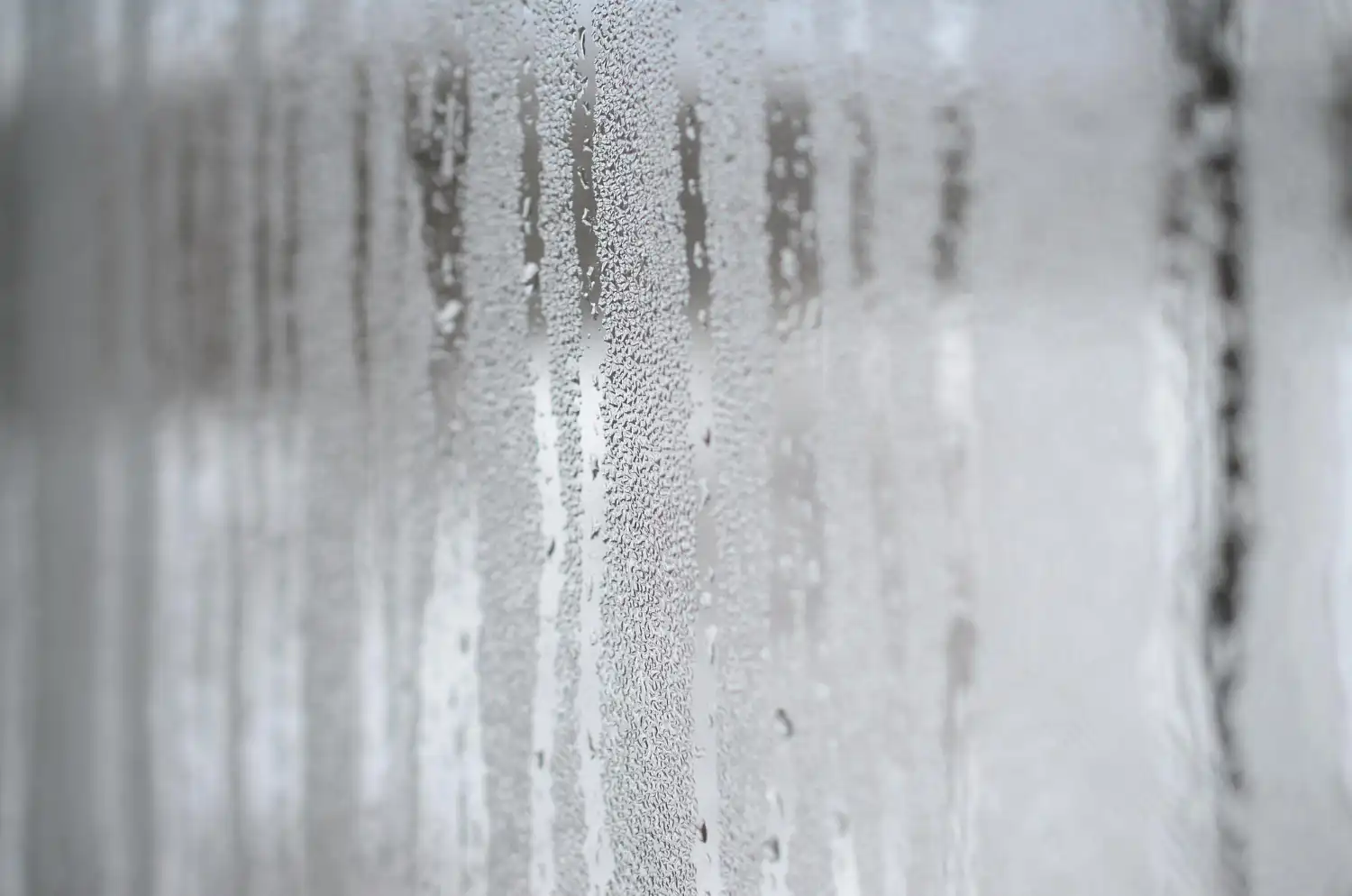
When humid air meets cooler surfaces inside air-conditioned buildings, condensation forms. This is one of the primary causes of moisture problems Dubai properties experience. The temperature differential between the hot, humid exterior and the cool interior creates perfect conditions for water droplets to form on walls, ceilings, and within wall cavities.
Common Condensation Points
- Window frames and glass surfaces
- Air conditioning vents and surrounding areas
- Cold water pipes running through walls
- Exterior walls of air-conditioned rooms
- Ceiling areas below roof slabs
- Behind furniture placed against external walls
Moisture Absorption in Building Materials
Many common building materials are hygroscopic, meaning they absorb moisture from the surrounding air. When humidity levels remain high for extended periods, these materials become saturated, leading to various problems.
Materials Most Affected by Humidity
- Gypsum plasterboard and drywall
- Wooden doors, frames, and flooring
- Paint and wall coatings
- Cement-based renders and plasters
- Insulation materials within walls
- Carpet and fabric materials
Interstitial Condensation
Perhaps the most insidious form of humidity damage occurs within wall and roof assemblies. When moisture-laden air penetrates the building envelope, it can condense within the structure itself. This hidden moisture causes damage that may go unnoticed until significant deterioration has occurred.
Visible Signs of Humidity Damage
Recognizing the early signs of humidity damage allows property owners to address problems before they escalate. Regular inspection of your property can reveal indicators that moisture is affecting your building.
Paint and Wall Finish Problems
The walls of your property often show the first visible signs of humidity damage:
Common Wall Symptoms
- Paint bubbling, blistering, or peeling
- Discoloration or staining on walls and ceilings
- Soft or crumbling plaster
- Wallpaper lifting at edges and seams
- White crystalline deposits (efflorescence)
- Damp patches that appear and disappear
Mold and Mildew Growth
High humidity creates ideal conditions for mold and mildew to thrive. These fungal growths not only damage building materials but also pose significant health risks to occupants.
Where Mold Commonly Appears
- Bathroom ceilings and corners
- Behind wardrobes and furniture
- Inside air conditioning ducts
- Around window frames
- In poorly ventilated storage areas
- Under sinks and in kitchen cabinets
Mold growth indicates persistent moisture problems that require professional assessment. Engaging experienced Waterproofing Companies In Dubai helps identify the source of moisture and implement effective solutions.
Structural Deterioration Signs
When humidity damage progresses beyond surface finishes, structural elements begin to show signs of distress:
Structural Warning Signs
- Wooden door frames swelling and sticking
- Parquet or wooden flooring warping and buckling
- Metal fixtures showing rust and corrosion
- Concrete surfaces developing cracks and spalling
- Ceiling boards sagging or showing water stains
- Musty odors in enclosed spaces
Health Implications of Humidity Damage
Beyond structural concerns, humidity-related damage creates health hazards for building occupants that should not be ignored.
Respiratory Issues
High humidity and associated mold growth contribute to various respiratory problems:
- Aggravated asthma symptoms
- Allergic reactions and hay fever
- Chronic coughing and wheezing
- Sinus infections and congestion
- Eye and skin irritation
Indoor Air Quality Degradation
Excessive moisture promotes the growth of dust mites, bacteria, and other microorganisms that degrade indoor air quality. Properties suffering from humidity damage often have measurably higher levels of airborne contaminants.
Areas Most Vulnerable to Humidity Damage
Certain areas within properties are more susceptible to humidity-related problems. Focusing maintenance efforts on these vulnerable zones helps prevent damage before it occurs.
Bathrooms and Wet Areas
Bathrooms combine high humidity from water usage with the moisture already present in UAE air. Without proper ventilation and waterproofing, these spaces quickly develop problems. Professional Waterproofing Work in bathrooms creates barriers that prevent moisture from penetrating walls and floors.
Kitchens
Cooking generates significant amounts of steam and moisture. Kitchens without adequate exhaust ventilation trap this moisture, leading to cabinet damage, wall deterioration, and mold growth.
Basements and Ground Floor Areas
Ground-level spaces face humidity challenges from both above and below. Moisture can rise through floor slabs while humid air enters through any gaps in the building envelope.
Roof Spaces and Attics
Poorly ventilated roof spaces trap humid air, which then condenses on cooler surfaces. This moisture damages insulation, ceiling boards, and can eventually penetrate into living spaces below.
Storage Areas and Closets
Enclosed spaces with limited air circulation create microclimates where humidity accumulates. Stored items, particularly clothing, documents, and leather goods, suffer damage in these conditions.
Professional Solutions for Humidity Control
Addressing humidity damage effectively requires a combination of building improvements and environmental controls. Professional assessment helps identify the most appropriate solutions for each situation.
Building Envelope Improvements
Strengthening the building envelope reduces moisture infiltration from outside:
Key Improvement Areas
- Exterior wall waterproofing treatments
- Window and door seal upgrades
- Roof waterproofing and insulation
- Foundation damp-proofing
- Cavity wall moisture barriers
Comprehensive Building Refurbishment projects address multiple vulnerability points simultaneously, providing lasting protection against humidity damage.

Ventilation System Optimization
Proper ventilation removes moisture-laden air before it can cause damage:
Ventilation Solutions
- Exhaust fan installation in bathrooms and kitchens
- Fresh air intake systems for sealed buildings
- Heat recovery ventilation for energy efficiency
- Roof space ventilation improvements
- Cross-ventilation enhancement where possible
Dehumidification Systems
In persistently humid environments, mechanical dehumidification provides reliable moisture control:
- Portable dehumidifiers for problem areas
- Ducted dehumidification systems for whole buildings
- Integration with existing HVAC systems
- Automatic humidity monitoring and control
Interior Surface Treatments
Specialized coatings and treatments help interior surfaces resist humidity:
- Anti-mold paints and primers
- Moisture-resistant plasterboard for renovations
- Vapor barrier installations
- Breathable wall coatings that manage moisture
Preventive Maintenance Strategies
Preventing humidity damage is far more cost-effective than repairing it. Regular maintenance and monitoring help protect properties from moisture-related problems.
Regular Inspection Schedule
Property owners should conduct regular inspections focusing on humidity-vulnerable areas:
Monthly Checks
- Inspect bathroom and kitchen areas for mold
- Check air conditioning drainage systems
- Examine window frames for condensation signs
- Monitor indoor humidity levels
Quarterly Checks
- Inspect behind furniture and in closets
- Check roof spaces and attics
- Examine external walls for moisture signs
- Test exhaust fans for proper operation
Professional Maintenance Programs
Engaging professional Villa Maintenance Dubai services ensures comprehensive property care. These programs include regular inspections, preventive treatments, and prompt response to emerging problems.
Humidity Monitoring
Installing humidity monitors in key areas helps property owners track conditions and respond before damage occurs. Ideal indoor humidity levels for the UAE should be maintained between 40-60%.
Cost of Ignoring Humidity Problems
Delaying action on humidity issues significantly increases repair costs and property damage:
Progressive Damage Costs
- Early intervention (paint touch-up, minor repairs): AED 2,000-5,000
- Moderate damage (replastering, mold treatment): AED 10,000-25,000
- Severe damage (structural repairs, complete renovation): AED 50,000-200,000+
Secondary Costs
Beyond direct repair costs, humidity damage leads to:
- Increased energy bills from compromised insulation
- Health-related expenses from mold exposure
- Reduced property value and rental potential
- Premature replacement of furniture and fixtures
- Temporary relocation costs during major repairs
Conclusion
Humidity presents a persistent challenge for UAE properties that demands attention and proactive management. The combination of coastal moisture, temperature differentials between indoor and outdoor environments, and hygroscopic building materials creates conditions where damage can develop rapidly if left unchecked.
Understanding the mechanisms of humidity damage buildings UAE properties experience enables owners to recognize early warning signs and take preventive action. From condensation control to building envelope improvements, multiple strategies exist to protect properties from moisture-related deterioration.
Professional assessment by experienced Waterproofing Companies In Dubai provides property owners with tailored recommendations based on their specific building conditions and local environmental factors. Whether addressing existing damage or implementing preventive measures, expert guidance ensures effective solutions that protect your investment for years to come.
Do not wait until visible damage appears to address humidity concerns. Proactive Villa Maintenance Dubai programs that include humidity monitoring and moisture control measures will preserve your property’s condition, maintain healthy indoor air quality, and prevent costly repairs in the future.